
You Have More Negotiating Room Than You Think. Here's How to Use It.
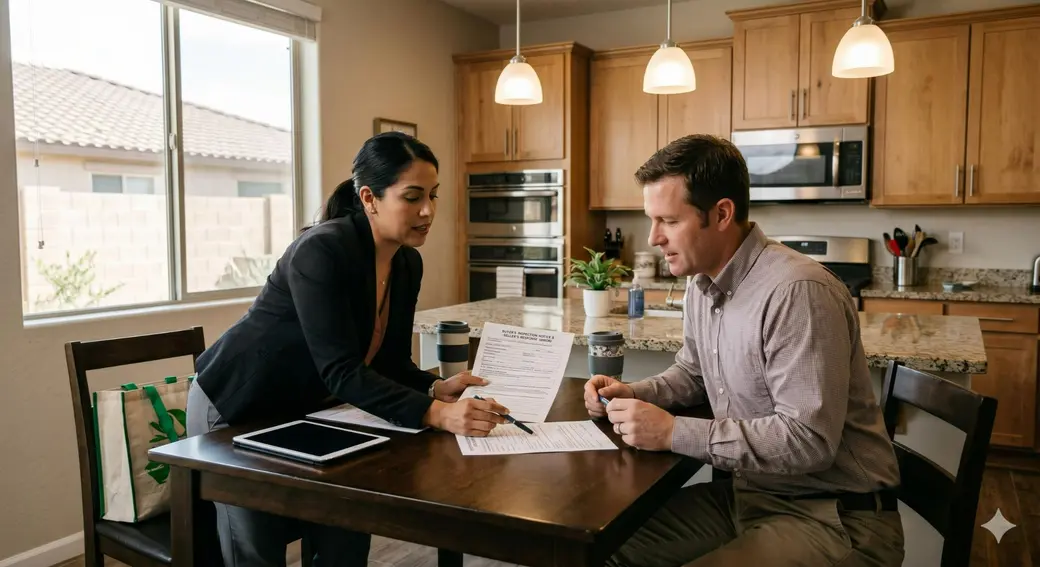
Negotiating is my favorite part of this job.
It's the moment I feel the most confident, the most useful, and honestly, the most myself. So let's talk about something I don't think buyers hear enough right now.
You probably have more room to negotiate than you realize.
Why Do Buyers Assume There's No Room to Ask?
Because the last few years taught everyone to just be grateful to get a house at all.
Bidding wars, waived inspections, offers over asking just to compete. That mindset doesn't disappear overnight, even once the market shifts underneath it. A lot of buyers are still negotiating like it's a seller's market, out of habit, not because that's actually where things stand.
More inventory sitting on the market and more sellers adjusting their pricing both point to the same thing. Buyers have leverage again. It's just a matter of knowing how to use it.
What Can I Actually Ask For Besides a Lower Price?
A lot more than people think.
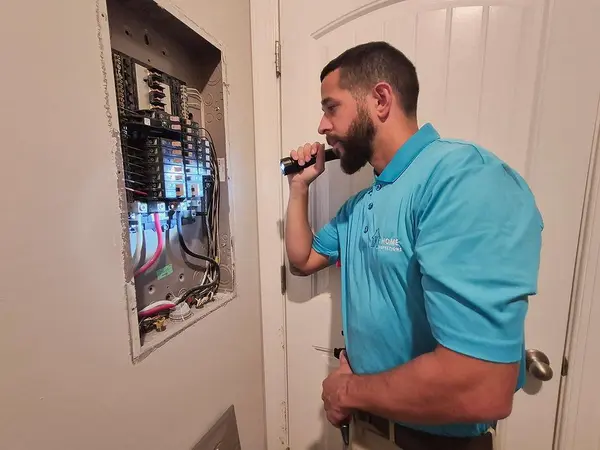
Repairs. If the inspection turns up issues, you can ask the seller to fix them, credit you for them, or reduce the price to account for them.
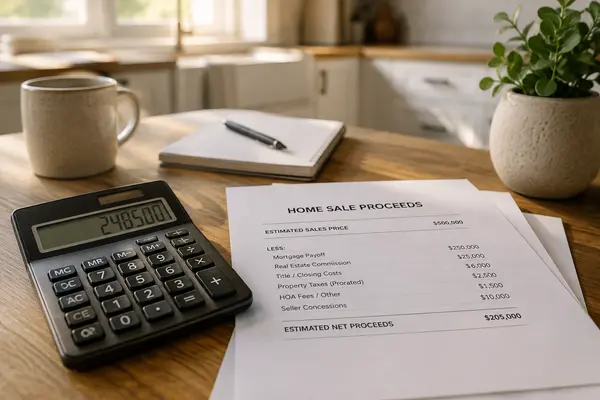
Closing cost help. If I covered this one before in the context of rates, it's worth repeating here because it applies far beyond just a higher payment. A seller credit toward closing costs can mean thousands of dollars staying in your pocket at the table.
Timeline flexibility. Need extra time before closing, or need to close faster than usual? Both are negotiable, especially with a seller who's motivated to make a deal work.
Home warranties. A seller including a home warranty costs them comparatively little but gives you real peace of mind in that first year.
None of these require a price war. They just require asking.
How Do I Ask Without Blowing Up the Deal?
This is where strategy matters more than aggression.
Negotiating well isn't about pushing as hard as possible. It's about reading the room. What does this seller actually need? Are they more motivated by price, by timeline, by simplicity? The ask that works for one seller can completely miss the mark with another.
This happens to be the part of this job I'm built for. Years of reading people under pressure, figuring out what someone actually needs versus what they're saying out loud, translates directly into this moment. A strong ask isn't loud. It's informed.
Is Every Seller Going to Say Yes?
No, and that's okay.
Some sellers have less room to move than others. Some are firm on price but flexible on timeline. Some will negotiate repairs but not credits. The goal isn't to win every single ask. It's to know what's actually worth asking for, and to present it in a way that keeps the deal moving instead of stalling it out.
That balance, asking for real value without creating unnecessary friction, is the whole skill.
Does This Mean I Should Lowball Every Offer?
No. Leverage and disrespect are not the same thing.
A lowball offer with no strategy behind it tends to do more harm than good, especially on a home that's actually priced fairly. The real opportunity right now isn't necessarily hammering the price down. It's using the other terms available to you, repairs, credits, timeline, to build an offer that works better for your actual situation.
FAQs
Can I negotiate on a home that's already priced well?
Yes, though it may look different than negotiating price. Repairs, closing cost credits, and timeline flexibility are often still on the table even on a fairly priced home.
What should I ask for first in a negotiation?
It depends on what matters most to you. If cash at closing is tight, a closing cost credit may matter more than a lower price. If the home needs work, repairs or credits may be the priority.
Will asking for too much make the seller walk away?
It can, if the ask isn't grounded in what the seller actually needs. A thoughtful, well-reasoned ask is far less likely to derail a deal than an aggressive, unstrategic one.
Is this a good time to negotiate on price specifically?
In many cases, yes, especially on homes that have been sitting or had a recent price reduction. Your agent can help you read the signals on a specific listing.
Do all sellers offer concessions right now?
No, it varies by seller and by home. Some have more flexibility than others, which is why strategy matters more than a one-size-fits-all approach.
How do I know what a seller might be willing to negotiate?
Often it comes down to reading context clues, how long the home has been listed, whether there have been price cuts, and what the seller's likely motivation is for selling.
Asking Is Free. Not Asking Costs You.
Here's what I want you to remember.
You're allowed to negotiate. You're allowed to ask for more than just a lower number. And right now, more than the last few years, sellers are actually listening.
Negotiating is the part of this job I love most, and I'd genuinely enjoy building that strategy with you. Let's talk about what your next offer could look like.
Categories
Recent Posts