
What Makes a Home Sit on the Market vs. Sell Quickly?
One of the questions I hear most from sellers is:
"Why did that house down the street sell in a weekend while mine has been sitting?"
Most people assume it's one thing.
It usually isn't.
Homes don't sell because they're nice. They sell because buyers believe they're worth the price. When a home sits on the market, it's usually because one or more pieces of the puzzle aren't lining up.
Here's what makes the biggest difference.
Price
Price is almost always the biggest factor.
Your home can be updated, beautifully staged, professionally photographed, and marketed everywhere. If buyers don't believe it's worth the asking price, they'll move on.
The market determines value, not the seller.
Great marketing gets buyers through the door.
The right price gets offers.
Presentation
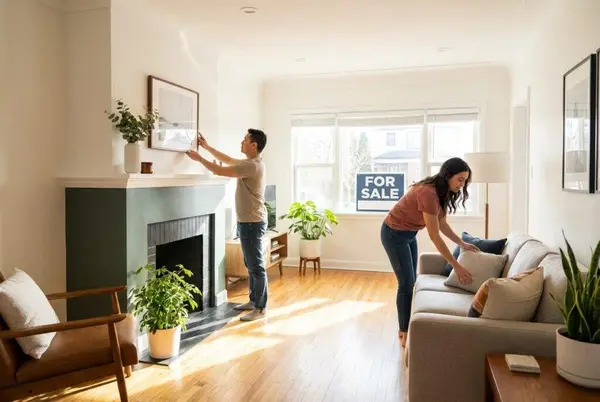
First impressions matter.
Buyers often decide how they feel about a home before they reach the second room.
Simple improvements can make a big difference:
- declutter
- deep clean
- touch up paint
- improve lighting
- freshen up curb appeal
People buy emotionally first. Then they justify it with logic.
Photography
Your first showing happens online.
If your listing photos are dark, poorly framed, or taken with a phone, buyers may never schedule a showing.
Professional photography isn't an expense. It's one of the best investments you can make before listing.
You can't negotiate with buyers who never walk through the front door.
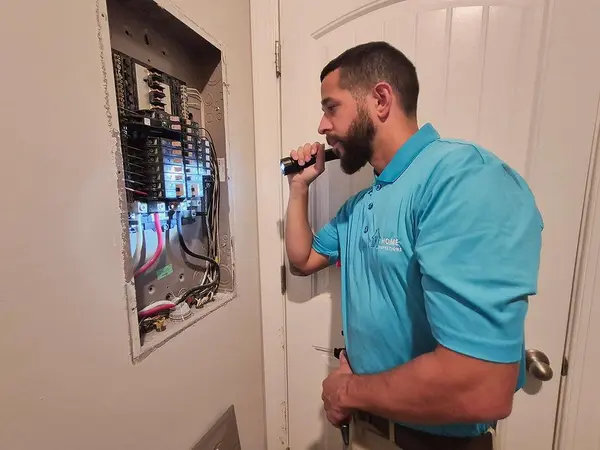
Condition
Your home doesn't have to be perfect.
It does need to look well cared for.
Deferred maintenance raises questions in a buyer's mind.
Things like:
- worn flooring
- peeling paint
- broken fixtures
- unfinished repairs
By themselves, they may be minor.
Together, they make buyers wonder what else has been neglected.
Marketing
Putting a home in the MLS isn't a marketing plan.
It's where the marketing starts.
Today's buyers need to see your home in multiple places through social media, email, video, online advertising, and agent networking.
More exposure creates more showings.
More showings create more opportunities for offers.
The Market
Sometimes the house isn't the problem.
Interest rates, inventory, and competing listings all affect how quickly homes sell.
A home that would have sold in three days last year may take three weeks today.
That's why pricing and strategy should reflect today's market, not yesterday's.
Listen to Buyer Feedback
Every showing tells you something.
If buyers are looking but not writing offers, they're sending a message.
If you're getting no showings at all, that's a different message.
And if several buyers say the same thing, pay attention.
Buyer feedback helps determine whether the issue is price, presentation, condition, or something else.
A Few Myths That Cost Sellers Money
"I'll start high and lower the price later."
This is one of the biggest mistakes sellers make. Overpriced homes sit longer and often sell for less than they would have if they had been priced correctly from the beginning.
"I should wait until spring."
Great homes sell all year. Serious buyers don't disappear because the calendar changes.
"My home has to be perfect."
It doesn't.
It needs to be clean, well-maintained, and priced correctly.
"The Zestimate is my home's value."
Online estimates can be helpful, but they don't know your updates, your condition, or what's happening in your neighborhood today.
FAQs
Why isn't my house selling?Usually it's a combination of price, presentation, condition, marketing, or current market conditions. The key is figuring out which one is keeping buyers from making an offer.
Does staging really help?
Yes. A well-presented home photographs better, shows better, and helps buyers picture themselves living there.
Is professional photography worth it?
Absolutely. Your photos create your first impression, and first impressions determine whether buyers schedule a showing.
Should I lower my price if my home isn't selling?
Not always. Before adjusting the price, evaluate presentation, marketing, buyer feedback, and market conditions. Sometimes price is the issue. Sometimes it isn't.
How long should a home stay on the market?
That depends on your price point, competition, and local market conditions. The best comparison is how similar homes are performing right now.
The Bottom Line
Homes that sell quickly usually aren't lucky.
They're priced correctly.
Prepared well.
Presented well.
Marketed effectively.
If you're thinking about selling, let's build that strategy before your home hits the market!
The goal isn't just getting listed.
It's getting sold.
Categories
Recent Posts