
Closing Before December 31? Questions to Ask Your Tax Professional
It's November. Somebody at the dinner table says, "If you close before the end of the year, it might help with your taxes."
And now you're wondering if you should be racing the calendar.
Maybe. Maybe not.
Here's the honest part. I'm a real estate agent, not a CPA. I can't tell you what closing in December versus January will do to your tax return.
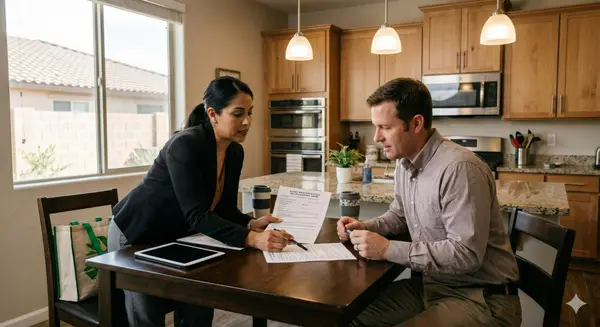
What I can do is help you walk into your tax professional's office with the right questions, so you get real answers instead of dinner-table guesses.
Why Does the Closing Date Even Matter?
Your closing date is the day the sale becomes official. Certain payments and costs tied to buying or selling a home are recorded on that date, and that date decides which calendar year they land in.
Whether that makes any difference for you depends on your income, your other deductions, how long you've owned your home, and a handful of other things I don't know about you.
That's exactly why this is a CPA conversation.
Is December 31 Even Realistic?
Before the tax questions, a quick reality check on the calendar.
A financed purchase usually takes several weeks from accepted offer to closing. Inspections, appraisals, underwriting, title work. It all takes time.
Now add the holidays. Lenders, title companies, and government offices close or run short-staffed, and every one of those days counts. I walked through that here.
So "close by the end of the year" really means "be under contract well before December gets busy."
If you want a step-by-step look at what happens between offer and closing, start here!
What Should I Ask If I'm Buying?
Take these to your tax professional:
- "How are the property taxes on my closing statement handled for this year?"
- "Does it matter for me whether I itemize or take the standard deduction?"
- "If I pay points to lower my interest rate, how are those treated?"
- "Family is helping with my down payment. Is there anything either of us needs to report?"
- "Is there anything I should be tracking from day one as a new homeowner?"
About that first one: at closing, property taxes for the year are usually split between buyer and seller based on how many days each of you owns the home. That split is called proration, and you'll see it on your closing statement.
Your CPA can tell you how your share fits into your return.
What Should I Ask If I'm Selling?
Sellers, your list looks a little different:
- "Will I owe tax on the profit from this sale?"
- "What records do I need about improvements I've made over the years?"
- "Does selling this year versus next year change anything for me?"
- "This home was a rental, inherited, or part of a divorce. Does that change the picture?"
Please don't guess on the first one. The answer depends on things like how long you've owned the home, whether you've lived in it, and how much it has gained in value.
And start digging for receipts now. A new roof, an HVAC replacement, a remodeled kitchen. Those records may matter, and nobody wants to hunt for them in April.
What Should I Keep After Closing?
Make one folder, paper or digital, labeled with the address and the year. Put these in it:
- Your final settlement statement
- Your Closing Disclosure, if you financed
- Your deed or proof of recording
- Receipts for improvements, if you're the seller
- Any letters from your lender about escrow or taxes
Your future self will thank you. So will your CPA.
What Can I Help With, and What Can't I?
Here's my lane.
I can tell you whether a December closing is realistic for your situation. I can negotiate a closing date that works for you. I can keep the lender, title company, and the other side moving so nothing stalls. And I can make sure you have every closing document your CPA asks for.
Here's not my lane: telling you what any of it means for your taxes.
That isn't me dodging the question. That's me respecting it enough to send you to the right person.
Should Taxes Decide When I Buy or Sell?
Taxes are a great reason to look at your calendar.
They are a terrible reason to buy the wrong house.
If the right home and the right timing line up before December 31, wonderful. If they don't, January is not a failure. It's just January.
FAQs
Do I have to close by December 31 to get a tax benefit?
Not necessarily. Whether the timing matters depends on your situation, which is why this is a question for your tax professional, not your agent or your brother-in-law.
How long does it take to close on a house?
A financed purchase usually takes several weeks from accepted offer to closing. Holiday closures at lenders, title companies, and government offices can stretch that, so start early if timing matters.
What are prorated property taxes?
Property taxes for the year are usually divided between buyer and seller based on how many days each owns the home. You'll see that split on your closing statement.
What documents should I keep after closing?
Keep your final settlement statement, your Closing Disclosure if you financed, your deed, and records of any improvements. Store them together and share them with your tax professional.
Can my real estate agent give me tax advice?
No. A good agent will help you hit your timeline and tell you what to ask, but tax advice should come from a CPA or tax professional.
Should I rush to buy before the end of the year for taxes?
Only if the right home and the right timing line up. A tax question is a reason to plan ahead, not a reason to settle.
Plan the Calendar, Then Pick the House
The calendar can matter. The right house matters more.
If December 31 is circled on your calendar, let's look at it together this week. I'll map out a realistic timeline for your situation, you'll take these questions to your CPA, and between the two of us, nothing sneaks up on you in January.
This post is general information, not tax advice. Talk with a qualified tax professional about your situation.
Categories
Recent Posts